
Who We Are
The Association
The Association for Cancer Immunotherapy CIMT is a member-based, not-for-profit information and education platform that fosters the development and translation of cancer immunotherapies by facilitating the knowledge exchange between academic and industry scientists, physicians and regulatory authorities. CIMT was founded in 2002 by physicians and researchers from different fields of clinical and theoretical medicine as an independent non-profit organization. Every year, CIMT organizes the largest and most influential international cancer immunotherapy meeting in Europe.
CIMT promotes the development of cancer immunotherapies by:
– educating health professionals through annual meetings, advanced education seminars and publications.
– cooperating with partners in related consortia, regulatory agencies, journals, academic institutions and companies.
– initiating and leading working groups that actively accelerate the development of cancer immunotherapies.
CIMT has its offices in Mainz, Germany and is financed by congress fees, industry sponsorship, donations and public and foundation grants.
Executive Board

Özlem Türeci is an M.D. with over 25 years of experience in cancer research and immuno-oncology, specifically in the identification of immunotherapeutic drug targets and the development of antibodies, as well as vaccine-based therapies. Dr. Türeci co-founded GanymedPharmaceuticals as Chief Scientific Officer and was its Chief Executive Officer from 2008-2017, developing a new generation of first-in-class antibodies in solid cancers. Dr. Türeci is now a management board member of BioNTech. She is also a chair and co-initiator of Ci3, the German Cluster Initiative of Individualized ImmunIntervention(Ci3) e.V., based in Mainz, Germany. She has authored over 110 peer-reviewed publications and is an inventor on more than 80 patents and patent applications.

Professor Cornelis Melief is CSO of ISA Pharmaceuticals and the former Head of the Department of Immunohematology and Blood Transfusion at the Leiden University Medical Center in the Netherlands. Dr. Melief’swork has contributed fundamental insights into the cellular and molecular mechanisms governing the generation of cytotoxic T lymphocytes (CTL) responses. He has also pioneered the use the of CTL-dependent responses in adoptive immunotherapy of cancer, providing the first evidence that CTLs specific for an oncogene tumor antigen could eradicate large vascularized tumors in mice. Professor Melief is member of the Royal Netherlands Academy of Arts and Sciences and has authored more than 450 peer-reviewed publications over 30 patents and patent applications.

Professor Carl Figdor is Head of the Tumor Immunology Department at the Nijmegen Centre for Molecular Life Sciences and Senior Professor of Experimental Immunology at Radboud University Nijmegen in the Netherlands. His research interests include immunology and cell biology, with a specific focus on the molecular mechanisms controlling antigen presenting cells, in particular dendritic cells. Professor Figdor received the NOW/Spinoza Price 2006 for his groundbreaking research into the use of immune cells against cancer and for how he translates fundamental research into patient care.

Johann Olweus, PhD MD, is head of the Department of Cancer Immunology at the Institute for Cancer Research, Oslo University Hospital and Professor at the University of Oslo. During her residency at the Institute for Immunology at Oslo University Hospital Rikshospitalet, Dr. Olweus became interested in HLA-typing and workups in allogeneic hematopoietic stem cell transplantation, and that T cells from healthy donors can be very powerful at eradicating cancer cells in patients. This led to her interest in using various modalities of donor-derived immunity in cancer immunotherapy.
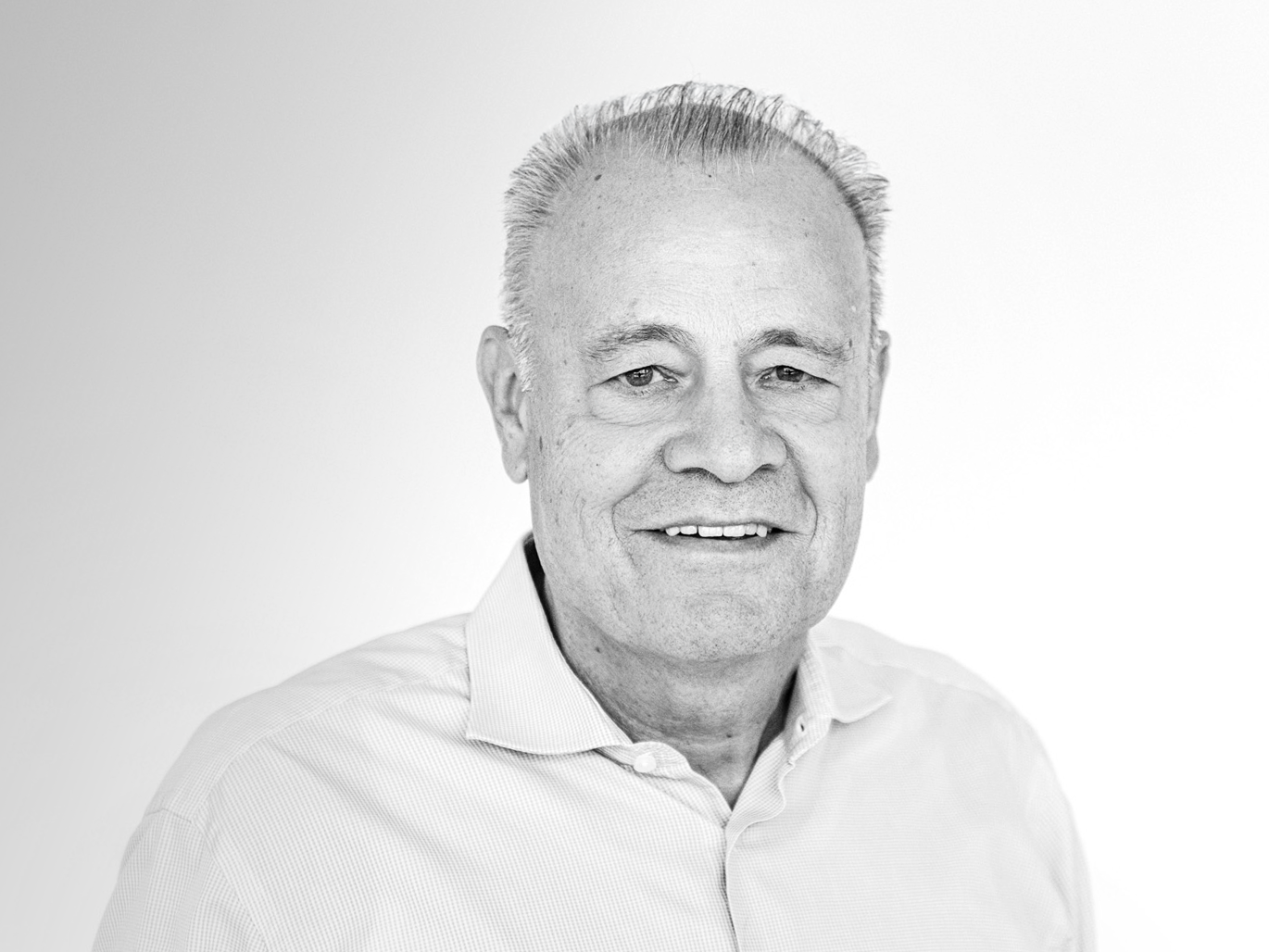
Michael Föhlings is the former managing director of the non-profit institute TRON GmbH in Mainz, Germany. During his 30 years career he has held diverse senior financial and general management functions in British, Anglo-Dutch and Swiss multinational companies. He has also been a member of company boards in Germany, Italy, Spain, the United States and China. He is an expert in the financial management of international multi-site groups operating in manufacturing business environments and also gained practical experience in the restructuring and repositioning of companies in Germany, Spain and the US.

Dr. Mustafa Diken is Deputy Head of Immunotherapy Development Center at TRON-Translational Oncology at the University Medical Center of the Johannes Gutenberg University Mainz. The main goal of his research is to develop novel RNA formulations with improved immunostimulatory and targeting properties for their use as a cancer vaccine. As head of the TRON In Vivo Imaging Core Facility, he also focuses on the use of non-invasive bioluminescence and fluorescence imaging techniques in the field of cancer immunotherapy.

Professor Jolanda de Vries is chair of Medical BioSciences, Radboudumc Nijmegen, The Netherlands, former president of the Dutch Society of Immunology (DSI/NVVI), and president-elect of the European Society for Molecular Imaging (ESMI). She has been one of the pioneers to translate dendritic cell (DC) biology into potential clinical applications. The first clinical phase I/II studies in which patients were vaccinated with DCs loaded with tumour-specific peptides were initiated in 1997. She also developed a novel immuno-monitoring assay that is highly predictive for extended survival after vaccination with DCs. Her primary scientific interest continues along the line of DC-immunotherapy and in particular the migration and imaging of DC.

Prof. Vincenzo Bronte is the Scientific Director of the IRCCS I Istituto Oncologico Veneto, Padova (Italy) and Tenured Full Professor of Immunology and Head of the Immunology Section in the Department of Medicine at Verona University. His major achievements have been the definition and characterization of immunoregulatory cells, now called myeloid-derived suppressor cells (MDSCs), whose negative influence on antitumor immunity represents an obstacle to a successful immunotherapy of cancer. Projects included a further exploration of cellular and molecular mechanisms underlying tumor-induced immune dysfunctions to define novel drugs and approaches targeting the tumor microenvironment. Vincenzo Bronte has published more than 200 articles in peer-reviewed journals and has spoken at more than 190 national and international conferences.
Our Management Office
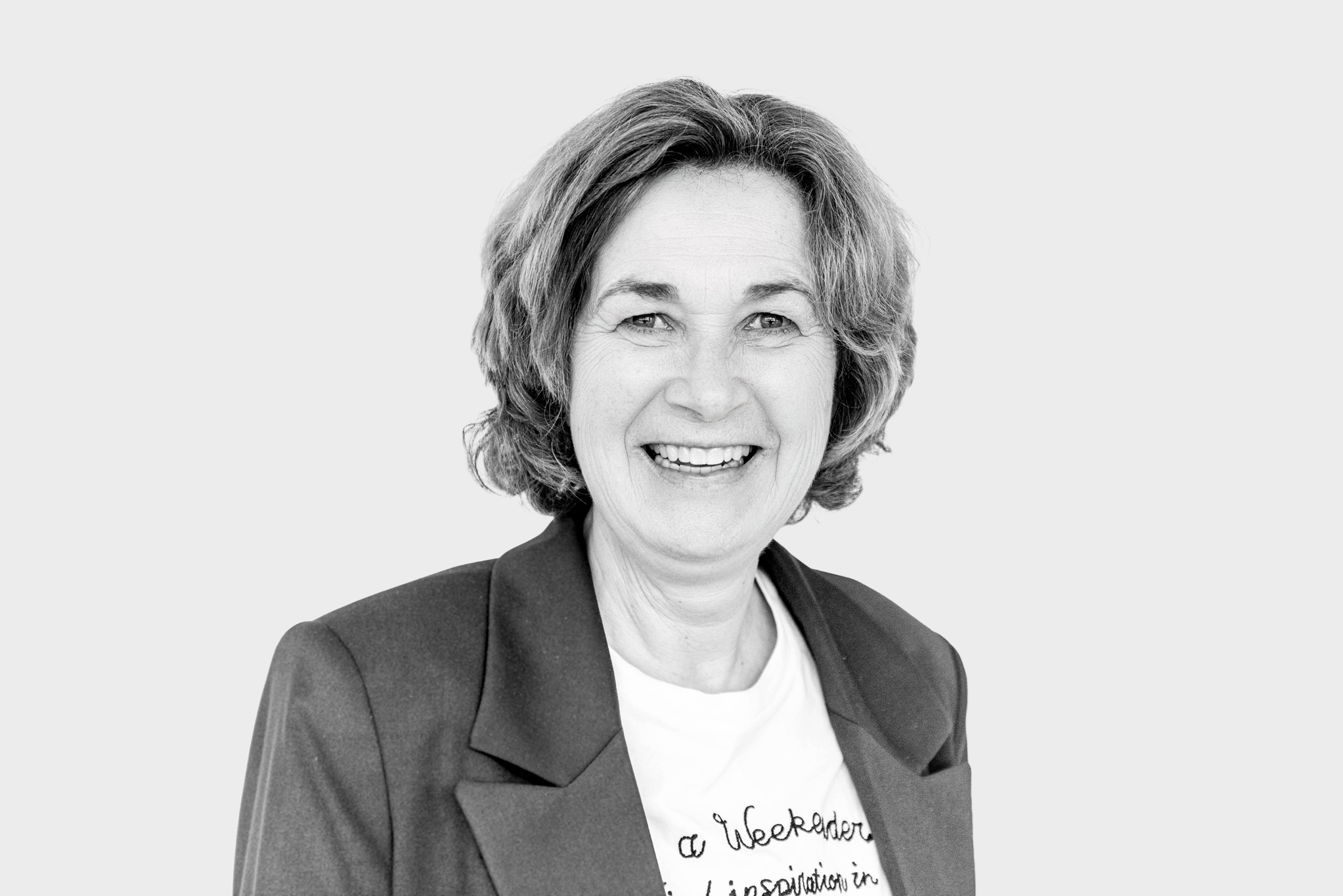
Christiane assists the Managing Director in all organizational aspects of the events of the Association. She is also in charge of member administration. She can be reached at reeve[at]cimt.eu
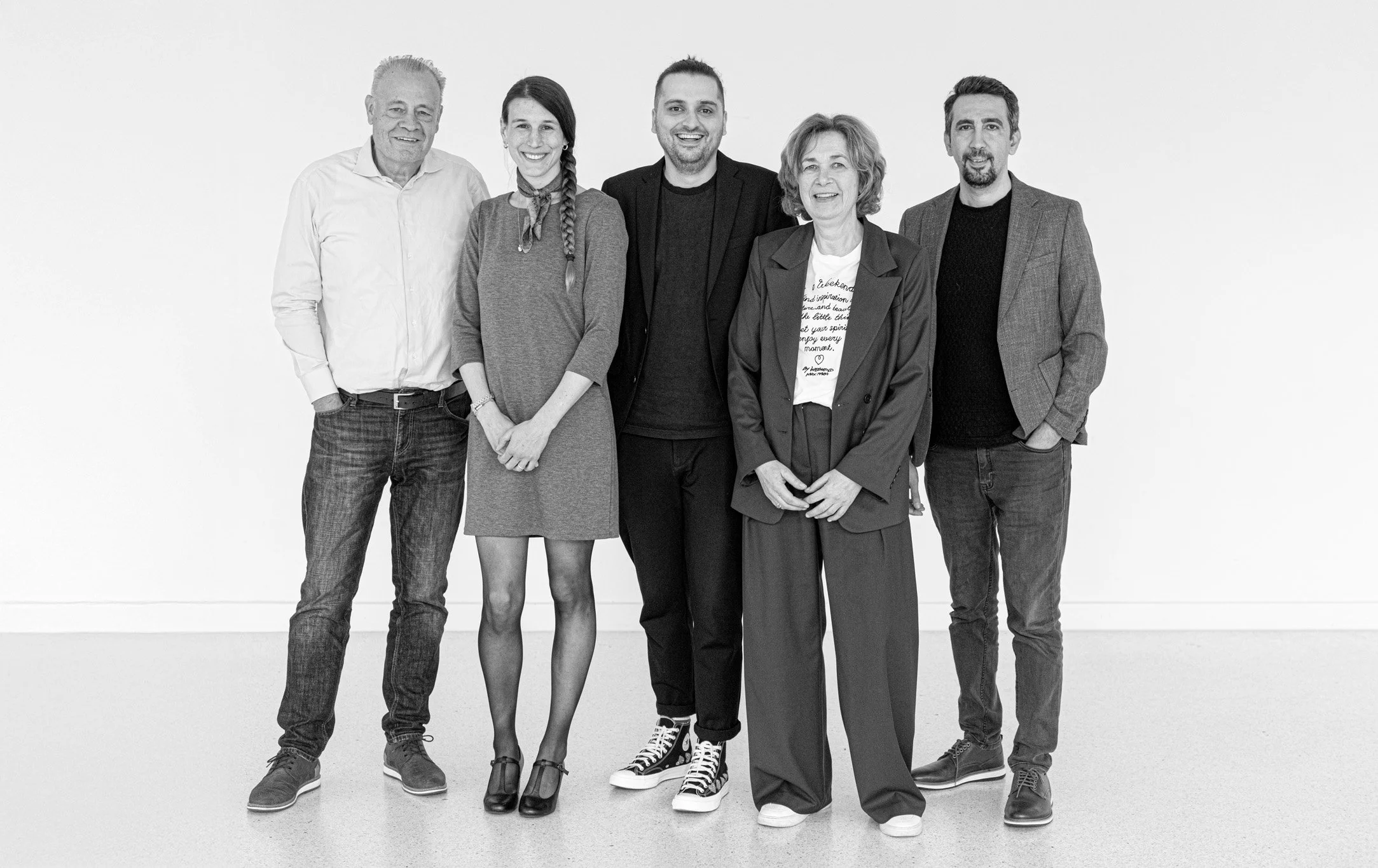
The CIMT Team in Mainz